

Welcome
” My health journey was my wake-up call. Today, it’s my mission to be your partner in recovery. Discover a helpful path to restoring your confidence and rebuilding your future, one small step at a time.
Personally I take my medication on time, don’t smoke, for the first months I was so tired, weak and sleepy. Also scared, worried that my life would never be the same. Only those been though it can understand its effect on you as a person. You are hopeless in mind and soul. Slowly but surely day after day things improve, some days are bad days – washed out feeling. Rinse and repeat. Good food. Do the program and one day you wake up with plenty of get up and go!”
Sean Cashin, Co-founder My Heart Partner.com
Important: Consult with a healthcare professional, such as a doctor before you do anything like physical exercise. The information provided here is for general knowledge and should not be considered medical advice.

Fitness After a Heart Attack
Recovering from a heart attack can feel overwhelming — not just physically, but mentally too. It’s common to feel uncertain about what your body can handle, or even afraid to push yourself at all.
The good news is that with the right approach, physical activity can help you rebuild not only your strength — but your confidence as well.
Why Exercise Matters
After a heart attack, your heart muscle may be weakened. Regular, guided exercise helps:
- Improve blood flow and heart efficiency
- Lower blood pressure and cholesterol
- Reduce the risk of future cardiac events
- Boost energy levels and mood
- Restore trust in your body’s ability to function safely
Exercise isn’t just about physical recovery — it’s about proving to yourself, step by step, that you can move forward.
Start with Cardiac Rehabilitation
Most patients are referred to a cardiac rehab program after a heart attack.
These programs typically include:
- Supervised exercise sessions
- Heart monitoring during activity
- Education on lifestyle changes
- Support from medical professionals
Just as importantly, cardiac rehab provides reassurance. Knowing that you’re exercising in a safe, medically supervised environment can be the first big step in rebuilding confidence.

When Can You Start Exercising?
This depends on your individual condition, but many people can begin light activity within days or weeks — with medical approval.
Typical progression:
- Early stage: Gentle walking, basic movement
- Recovery phase: Gradually increasing duration and intensity
- Long-term: Building toward regular, sustainable exercise habits
At first, even small movements can feel like a big step. That’s normal. Confidence grows gradually — just like your physical strength.
Safe Types of Exercise
The best exercises after a heart attack are low-impact and easy to control:

Walking
The most recommended starting point — simple, safe, and ideal for rebuilding confidence.
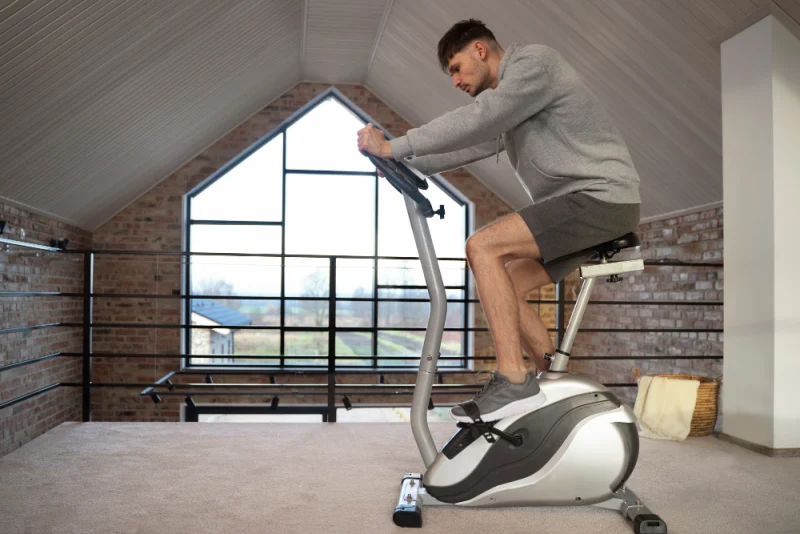
Cycling (stationary bike)
Allows you to control pace and intensity in a safe environment.
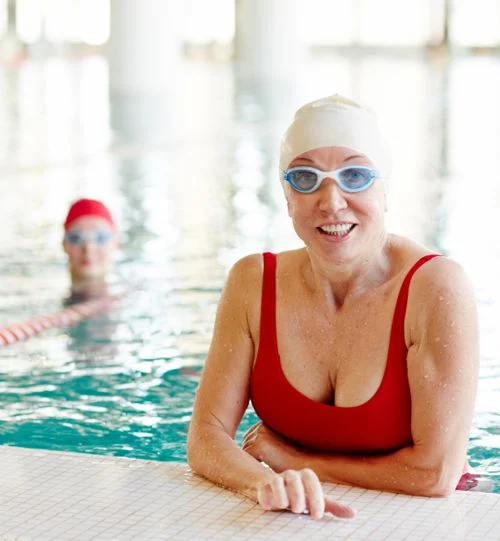
Swimming (once cleared)
Supports cardiovascular health with minimal strain.
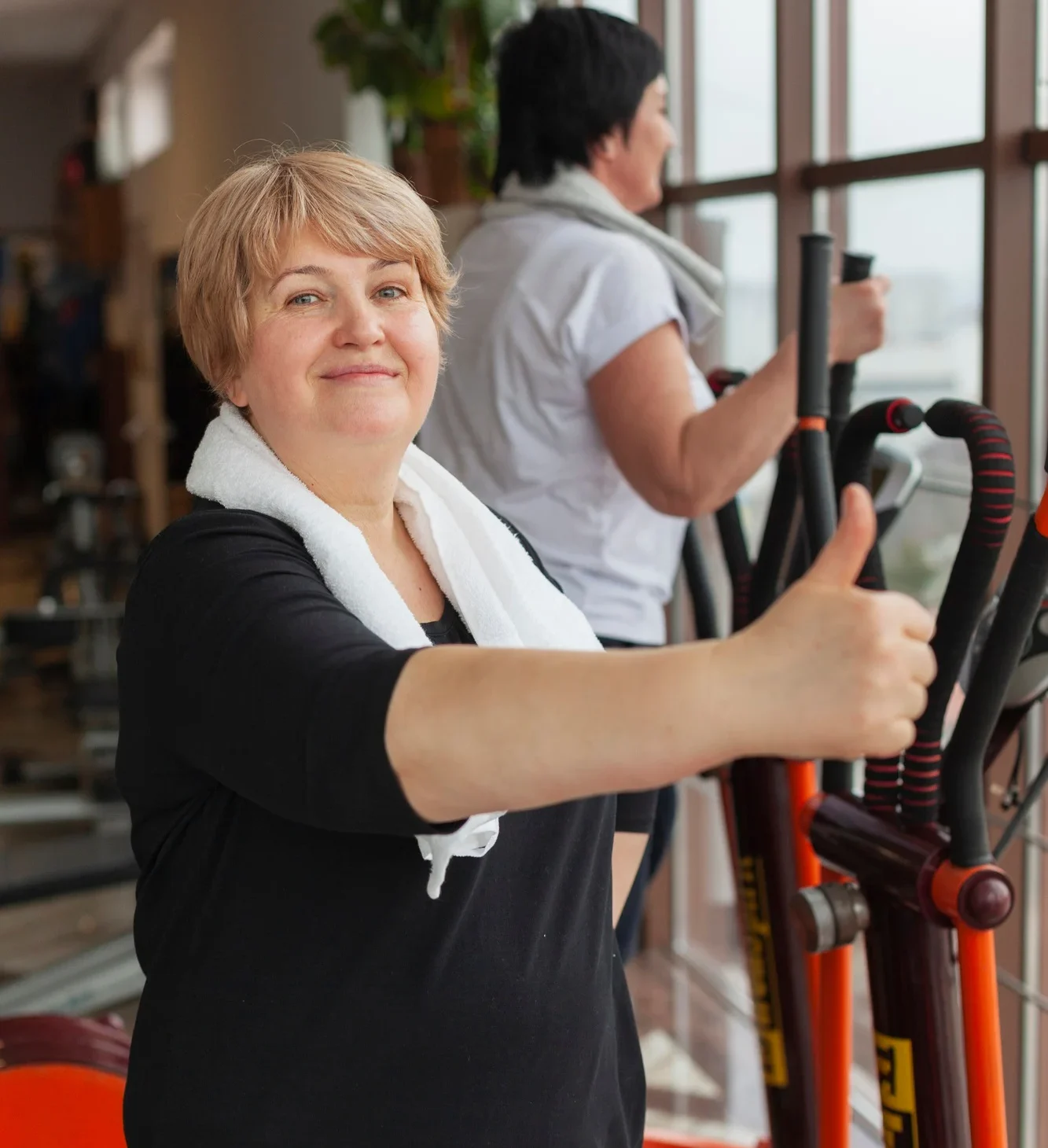
Light strength training
Introduced gradually to rebuild muscle and overall resilience
How Much Exercise Do You Need?
General guidelines suggest aiming for:
- 150 minutes of moderate exercise per week
(e.g., 30 minutes, 5 days a week)
But after a heart attack, this goal is built gradually — not all at once.
A good starting point might be:
- 5–10 minutes of walking
- Slowly increasing time each week
Each small increase is more than progress — it’s proof that your body is capable, and that confidence is returning
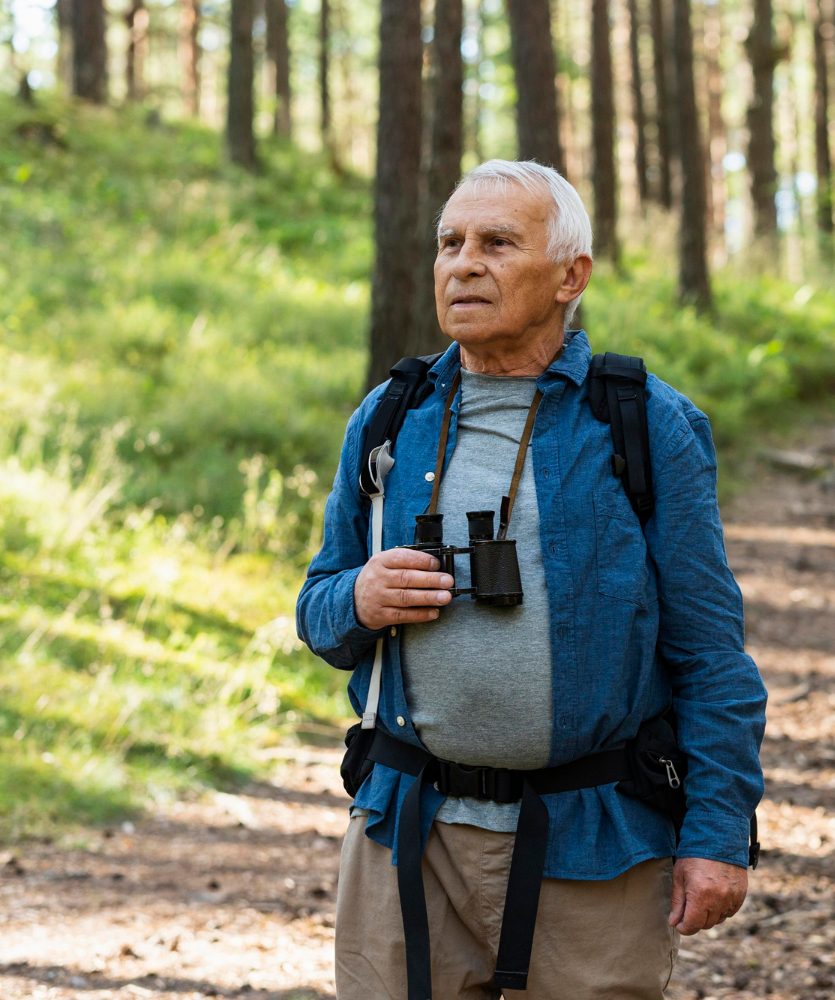
Tips for Rebuilding Confidence
- Start small and build gradually — avoid the urge to rush
- Follow a structured plan like cardiac rehab
- Track your progress to see how far you’ve come
- Exercise in a safe environment where help is available if needed
- Talk openly about fears with healthcare providers or support groups
- Celebrate every milestone, no matter how small
Confidence isn’t something you suddenly regain — it’s something you rebuild, one step at a time.

The Emotional Side of Recovery
It’s completely normal to feel anxious about exercising after a heart attack. Many people worry about triggering another event or pushing too far.
These feelings are valid — and you’re not alone.
With the right guidance and gradual progress, fear begins to fade. In its place comes a growing sense of control, trust, and confidence in your body again
A Lifelong Commitment
Fitness after a heart attack isn’t about intense workouts — it’s about consistency.
Over time, regular activity doesn’t just strengthen your heart — it changes how you feel about your health, your body, and your future.
Key Takeaway
Recovery isn’t just about getting stronger — it’s about feeling safe in your body again.
Start small. Stay consistent. Trust the process.
Confidence will come — one step at a time.