A new study has found a strong link between ultra-processed foods and a higher risk of heart attacks and strokes—raising important questions about what we eat every day.
The key finding: risk rises with every serving
The study looked at over 6,800 adults and found a clear pattern:
- People eating around 9 servings per day had a 67% higher risk of heart attack, stroke, or death from heart disease
- Even small increases mattered
- Each additional daily serving increased risk by about 5%
In other words, the more ultra-processed food in your diet, the greater the risk—there wasn’t a “safe threshold” where the risk suddenly appeared.
What are ultra-processed foods?
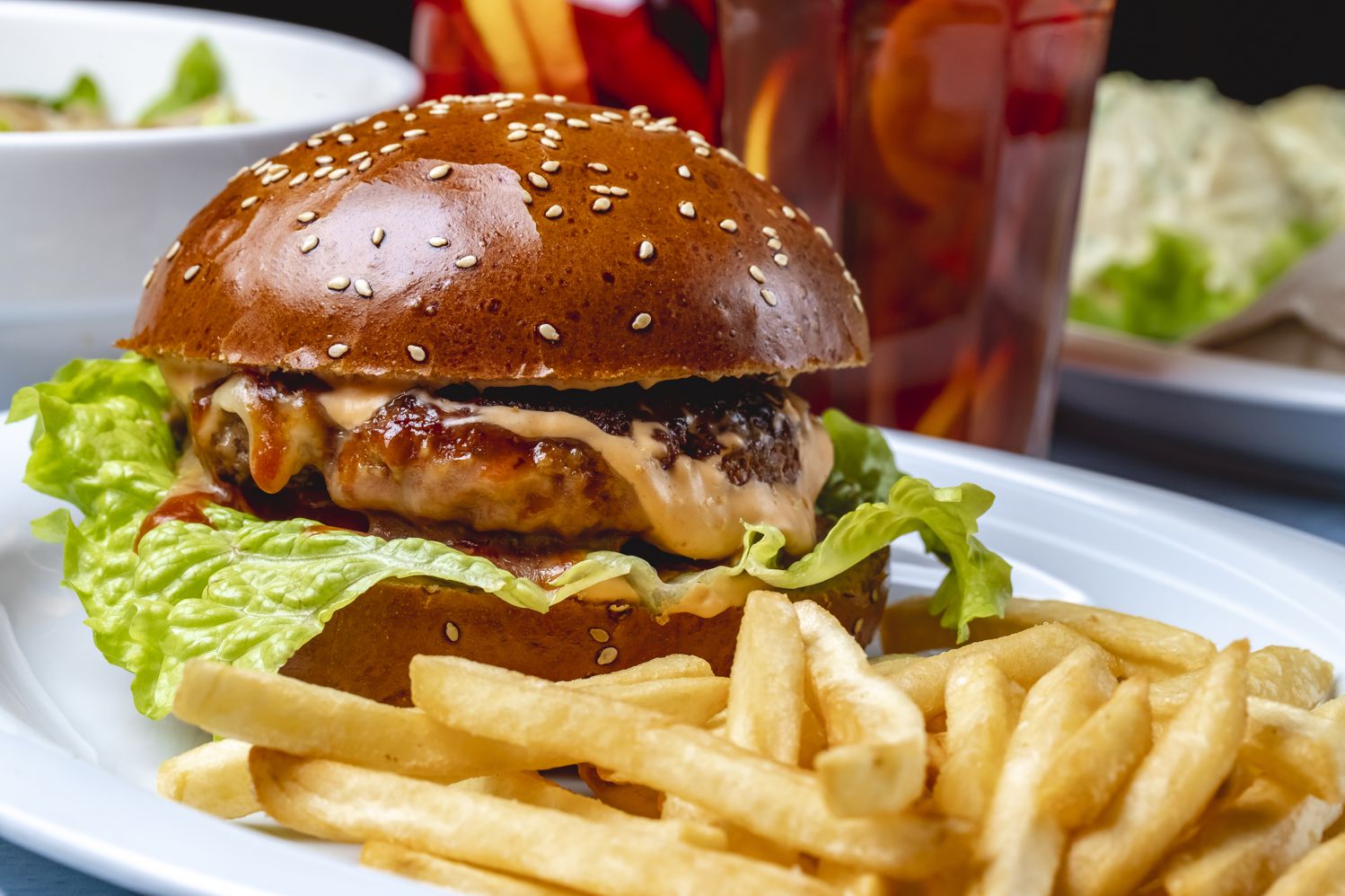
Ultra-processed foods are items that have been heavily altered from their natural state and often contain added sugars, fats, salt, and artificial ingredients.
Common examples include:
- Packaged snacks like crisps and biscuits
- Sugary drinks
- Frozen ready meals
- Processed meats
- Breakfast cereals and packaged bread
These foods are often convenient—but this new research suggests they may come at a cost to heart health.
Why this matters (especially after a heart attack)
If you’ve already experienced a heart attack, reducing further risk is crucial.
What’s particularly important about this study is that the increased risk remained even when researchers accounted for:
- Total calories
- Overall diet quality
- Conditions like diabetes, high blood pressure, and high cholesterol
This suggests it’s not just how much you eat—but how your food is made that matters.
Ultra-processed foods may:
- Increase inflammation
- Contribute to weight gain and visceral fat
- Affect how your body regulates hunger and metabolism
All of these can put extra strain on the heart.
A deeper issue: access and inequality
The study also found that the risk increase was higher in some groups, particularly Black Americans.
Researchers believe this may be linked to:
- Greater exposure to marketing of ultra-processed foods
- Reduced access to fresh, minimally processed options in some areas
It’s an important reminder that food choices are not always just about willpower—they’re also about availability and environment.
Simple ways to reduce your risk
The good news is that small changes can make a real difference.
You don’t need to be perfect—just more aware.
Here are some practical steps:
1. Check labels
Look for high levels of added sugar, salt, and saturated fat.
2. Swap where you can
Try replacing:
- Sugary cereals → plain oats
- Processed snacks → nuts or fruit
- Ready meals → simple home-cooked options
3. Focus on “real” foods
Aim for foods closer to their natural state:
- Vegetables and fruit
- Beans and legumes
- Whole grains
- Fresh or frozen ingredients
The takeaway
This research adds to growing evidence that ultra-processed foods can have a serious impact on heart health.
For those recovering from a heart attack, it’s not about cutting everything out overnight—but gradually shifting towards less processed, more natural foods.
Even small reductions could help lower your risk over time.
Source: American College of Cardiology -March 2026



Leave A Comment